



Call Us 24/7

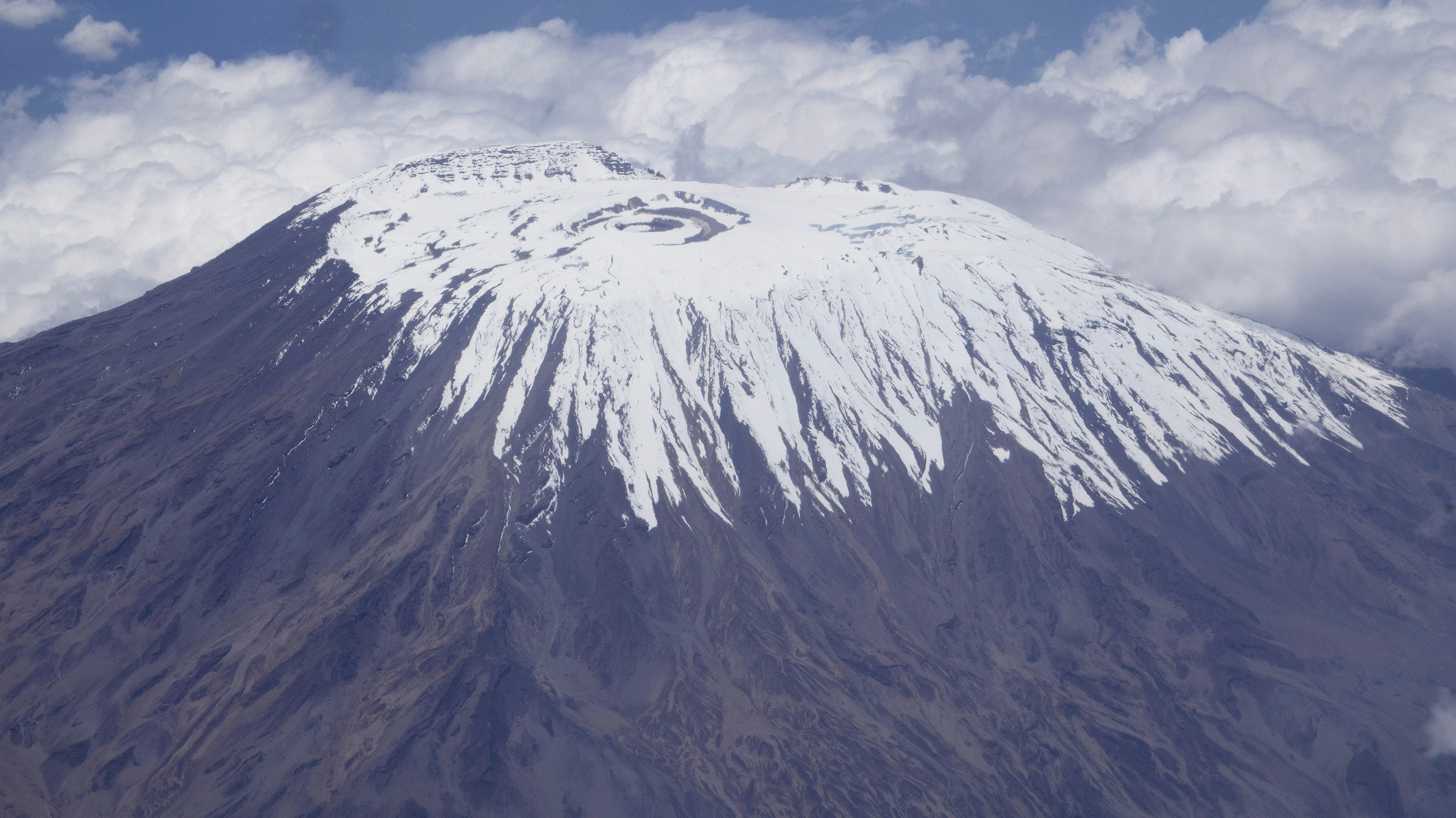
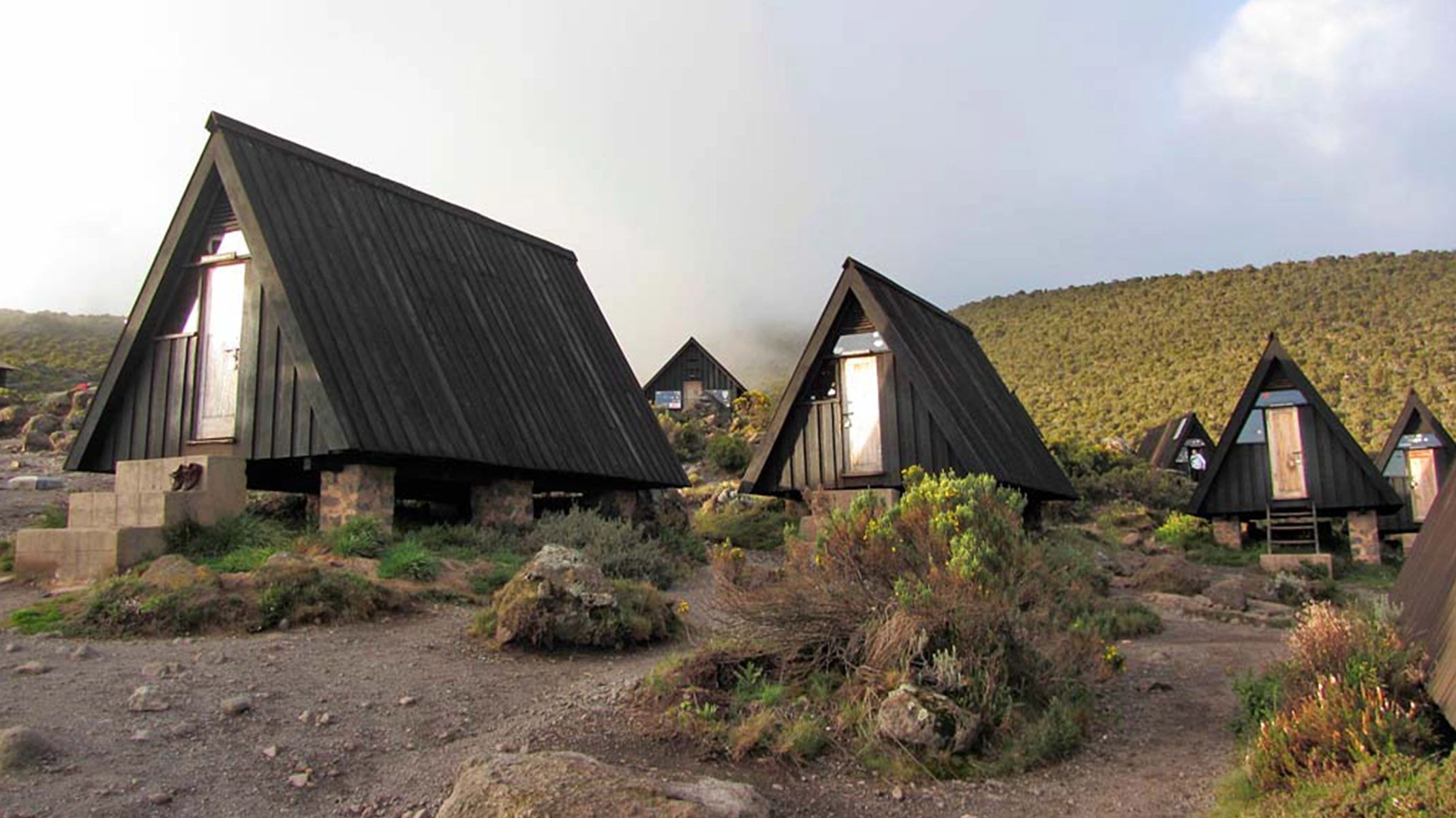
Mount Kilimanjaro is Tanzania's most famous mountain and Africa's highest peak at 5,895 metres.
It is also recognized by UNESCO as an outstanding natural phenomenon and is the world's highest free-standing mountain massif.
The Three Volcanic Peaks
Kilimanjaro consists of three major volcanic cones:
Kibo – 5,895 m
The highest and central summit, where Uhuru Peak is located.
Mawenzi – 5,149 m
A rugged volcanic peak with dramatic rock formations.
Shira – 3,962 m
The oldest of the three major volcanic features, forming the Shira Plateau.
History & Recognition:
Kilimanjaro National Park was gazetted in 1973, opened for tourism in 1977, and inscribed as a UNESCO World Heritage Site in 1987.
TANAPA also records its recognition as a Natural Wonder of Africa in 2013.
TANAPA currently lists Kilimanjaro National Park as a 2025 World Travel Awards winner for Africa's Leading Mountain National Park, and records several previous Africa's Leading Tourist Attraction awards.
Five Ecological Zones:
One of Kilimanjaro's most remarkable characteristics is the rapid transformation of the environment as altitude increases.
1. Cultivation Zone
Lower slopes with farms and human settlements.
2. Montane Forest
Dense forest with rich plant and animal life.
3. Heath & Moorland
A landscape of giant heathers and open vegetation.
4. Alpine Desert
A stark, rocky and high-altitude environment.
5. Arctic/Summit Zone
The highest environment around Kibo, characterized by extreme cold, ice and thin air.
UNESCO identifies these five broad vegetation zones as an important feature of the mountain.
Wildlife:
Kilimanjaro is primarily a trekking destination rather than a traditional safari park, but wildlife can occur on the lower slopes and in the forest zone.
Possible sightings include:
Elephants
Buffalo
Colobus monkeys
Blue monkeys
Bushbuck
Duiker
Various birds
Smaller forest mammals
The mountain's ecological significance extends far beyond the summit.
Trekking Routes:
Common routes include:
Machame Route,
Lemosho Route,
Marangu Route,
Rongai Route,
Umbwe Route and
Northern Circuit.
TANAPA notes that summit climbs generally take 5–8 days depending on route, with longer itineraries generally allowing more acclimatization.
Best Time to Climb:
The generally preferred trekking periods are:
January–March: Good trekking period, with colder conditions at higher elevations.
June–October: Another popular period, generally associated with drier conditions.
November–December: Possible, but weather can be more variable.
April–May: The long-rain period generally makes conditions less predictable and trails wetter.
Important Trekking Consideration:
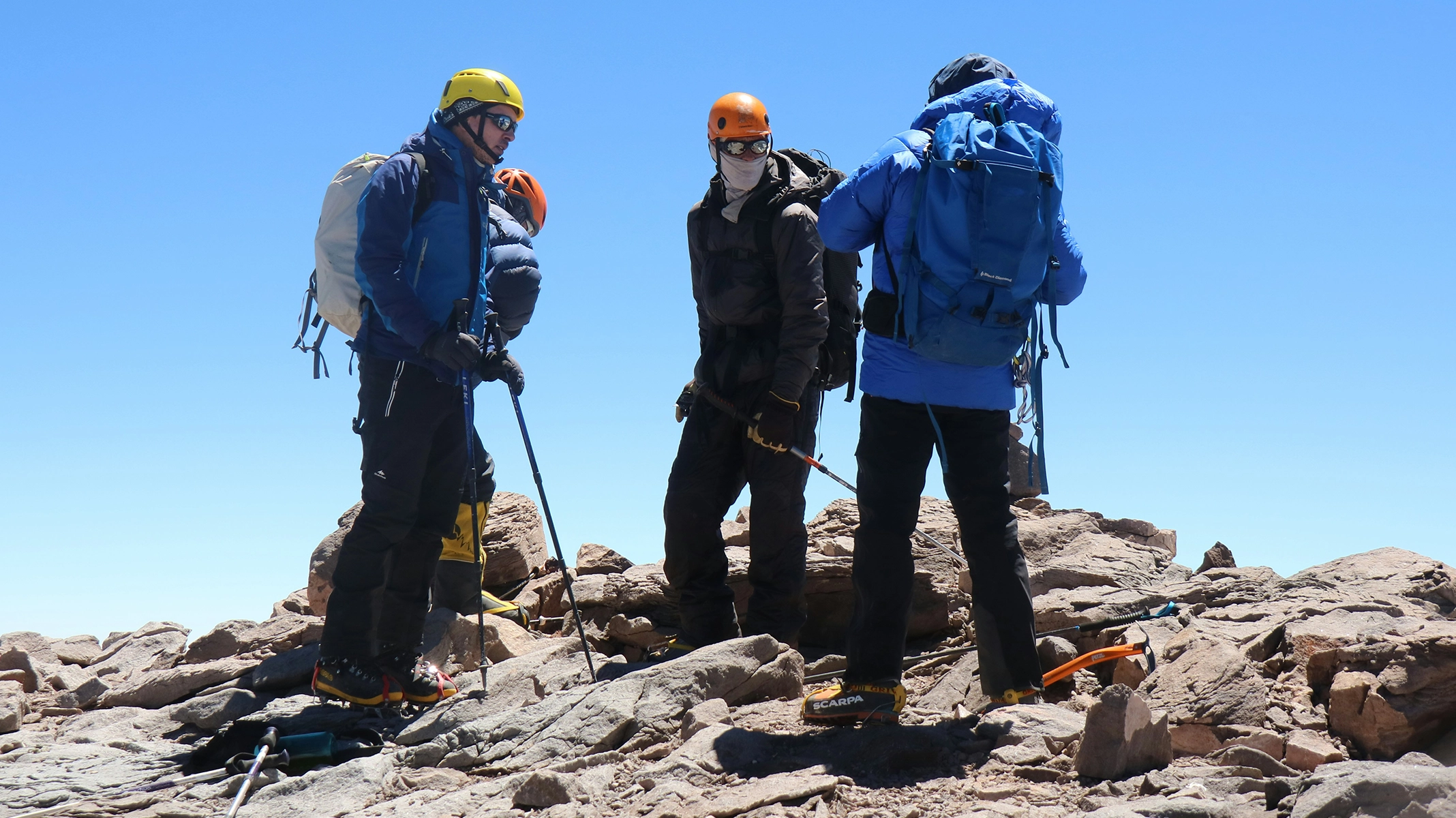
Kilimanjaro is not simply a physical challenge. Altitude acclimatization is critical. All climbs must be conducted with a licensed guide/operator, and travelers should follow professional advice regarding pace, hydration and altitude symptoms.
Best For
Adventure | Trekking | Photography | Mountain Lovers | Challenge Experiences | Bucket-List Travel
Gallery
Discover some of our finest Safaris captured through visuals




Featured Destinations
Testimonials


California, USA

Everything about this Serengeti safari was truly magical! The wildlife, breathtaking landscapes, and endless golden plains were incredible. Our guide was exceptionally professional and knowledgeable, and witnessing lions, elephants, and other wildlife in their natural habitat was an unforgettable experience. The Serengeti sunset was simply breathtaking!

Milan, Italy
We celebrated our honeymoon with Buffalo Weaver Safaris, and it was one of the best decisions we made! From the romantic safari experiences and beautiful scenery to the personalized service and carefully planned itinerary, every moment felt special. The privacy, attention to detail, and unforgettable wildlife encounters made our honeymoon truly magical. A perfect 10/10 experience!

Dubai, UAE
From booking to boarding, everything was smooth. The team Lead guide, Victor us perfectly and the onboard activities kept our kids entertained while we relaxed. Highly recommend!”

Sydney, Australia
I’ve traveled to many places, but nothing compares to this cultural safari. Meeting the Hadzabe and Sonjo communities, learning about their traditions, way of life, and rich heritage was a truly unforgettable experience. The warm welcome and authentic cultural encounters made us feel connected to Tanzania in a way we never expected. It felt like discovering a completely different side of Africa.
Experience unforgettable wildlife encounters, breathtaking landscapes, and authentic cultural adventures with Buffalo Weaver Safaris.
We take care of every detail you can travel with confidence ease.

Copyright © All Rights Reserved, Design by Morani Creativity


